

Renew Risk extends severe convective storm modelling to solar farms across 48 US States
Dr Joshua Macabuag, CEO at Renew Risk

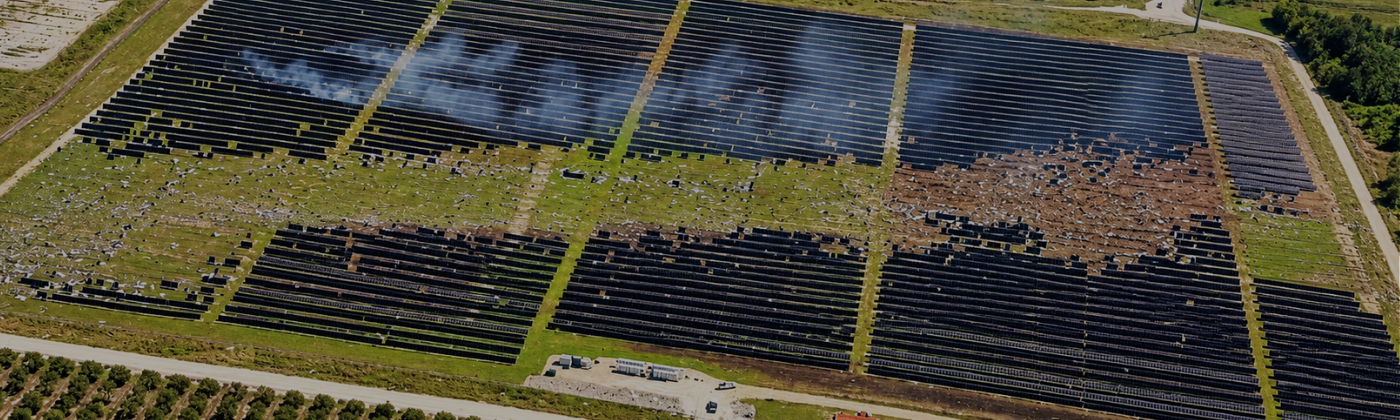
21 October 2026 – Renew Risk, a leading provider of risk analytics for renewable and energy demand assets, today extended its severe convective storm (SCS) model for solar farms to cover all 48 contiguous US States. This is the first catastrophe model purpose-built specifically to model severe convective storms for solar farms in the United States.
Insurers can now model hail, tornado and straight-line wind risk for solar farms across the mainland US
Built at pace for a solar fleet that is growing in size and value, with sites sitting closer together and across Hail Alley.
The extension comes as the US solar fleet grows in size and value. Developers plan to add a record 43.4GW of utility-scale solar capacity in 2026, 60% more than in 2025, according to the US Energy Information Administration. As solar farms are built in new locations, at a larger scale, and with new features such as panel stow and tracking, Renew Risk’s focus on energy transition assets lets it keep pace by building those changes into the model through seasonal updates.
Sites are larger than ever, more costly to build and repair, and being built closer together. For insurers, that raises the risk that a single storm could damage several sites in the same portfolio. Severe convective storms already drive major losses for the sector, with hailstorms representing 6% of loss incidents for US solar farms but 73% of financial losses according to a kWh 2025 report.
The model gives insurers, reinsurers and brokers:
Coverage across the contiguous US for all three perils: modelling hail, tornadoes and straight-line wind for solar farms in all 48 mainland states.
High-resolution hazard data: built on a large and detailed dataset at 1k resolution.
Asset-level vulnerability: reflecting engineering characteristics such as panel construction, tracker systems and stow logic.
Seasonal updates: incorporating new insights as solar farms are built in new locations and with new features.
Catastrophe models typically look for low-frequency, high-intensity events such as hurricanes, whereas hailstorms are high-frequency, lower-intensity, and hyper-localised. Solar farms are particularly exposed because their panels are made largely of glass, and loss history is limited because sites are often built in remote areas. Even so, many insurers place solar farms in Hail Alley, the central US region with the country’s most frequent hailstorms.
Renew Risk first prioritised hail modelling for the highest-risk States. However, tornadoes and derechos, long-lived windstorms that bring widespread straight-line wind damage, have caused several of the largest SCS insurance losses. Namely the Midway Solar project, which suffered an estimated $70m in losses, and Fighting Jays Solar Farm, which experienced losses that reached the $50m sublimit. The model now covers all three perils across the contiguous US. It draws on research papers Renew Risk’s team has written on solar farm risk, and on the company’s work with Vāyuh, which combines physics and AI to model severe convective storms.
“Hail has rightly been the industry’s focus for solar, but many of the largest severe convective storm losses have been driven by tornadoes and straight-line winds. Insurers need to see all three perils together, across every state where they hold solar risk. That matters more as sites get bigger and closer together, because a single storm can now hit several assets in the same portfolio.
“Specialising in energy transition assets means we can build faster than traditional providers, without compromising on accuracy. Extending our model across the contiguous US gives our clients a full view of storm risk across their US solar portfolios, and the confidence to grow them profitably.”
Insurers, reinsurers and brokers can now assess hail, tornado and straight-line wind risk for solar farms anywhere on the US mainland through Renew Risk’s Global Onshore Renewables Product Suite.
The launch also reflects a change in how Renew Risk presents its portfolio. Its models, data and services are now grouped into three product suites: Offshore Renewables, covering offshore wind and interconnectors; Onshore Renewables, covering solar; and Emerging Demand, covering data centres. Its Global Intelligence Platform supports these, including the Industry Exposure Database.
Founded in 2021, Renew Risk raised £4.7 million in seed funding at a £16 million valuation. The company typically develops new catastrophe models in around nine months, compared with timelines of three years or more at traditional providers.
Interested in learning more about our expanding product portfolio?
Get in touch to request a demo
The latest models join our industry-leading natural catastrophe risk management suite. Explore our full product portfolio to see how we're helping insurers manage risks of earthquakes, tropical cyclones, and severe convective storms to assets like solar and offshore wind farms around the globe.
-
![A comprehensive view of windstorm risk to offshore wind farms around the UK.]()
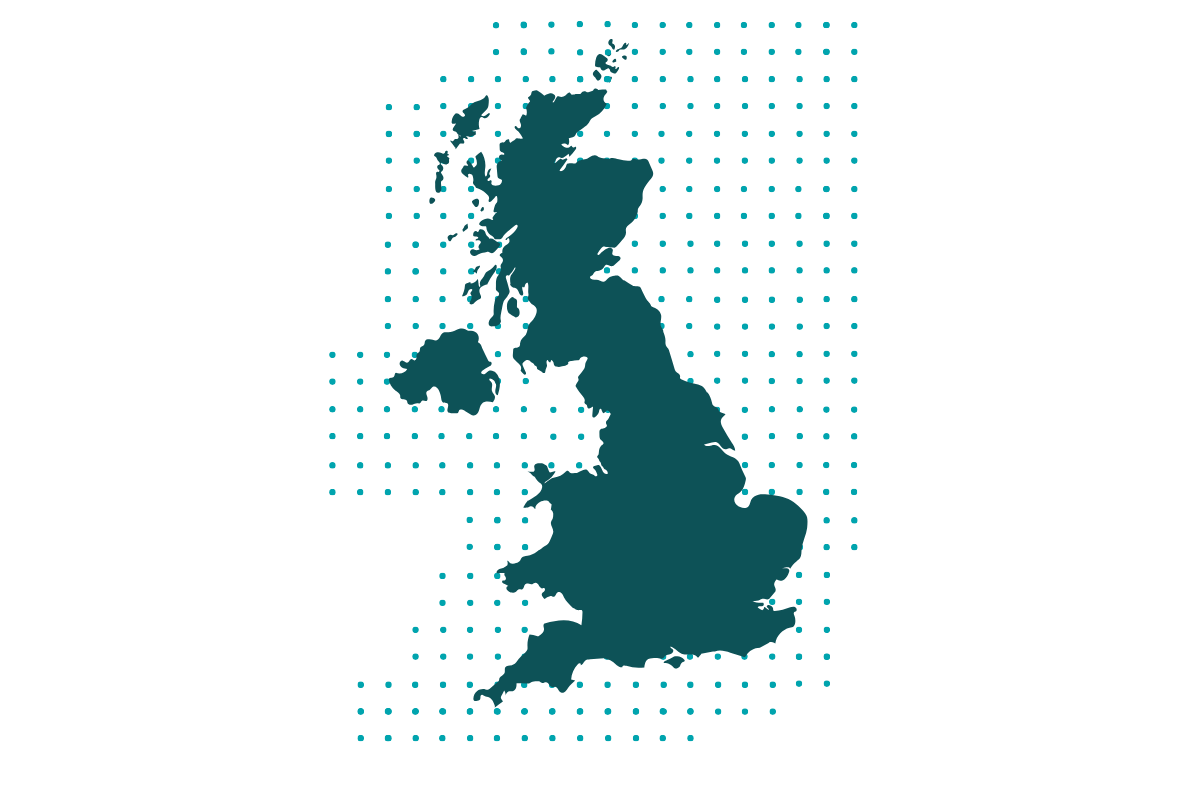
UK Windstorm Model
-
![Europe Windstorm Model]()
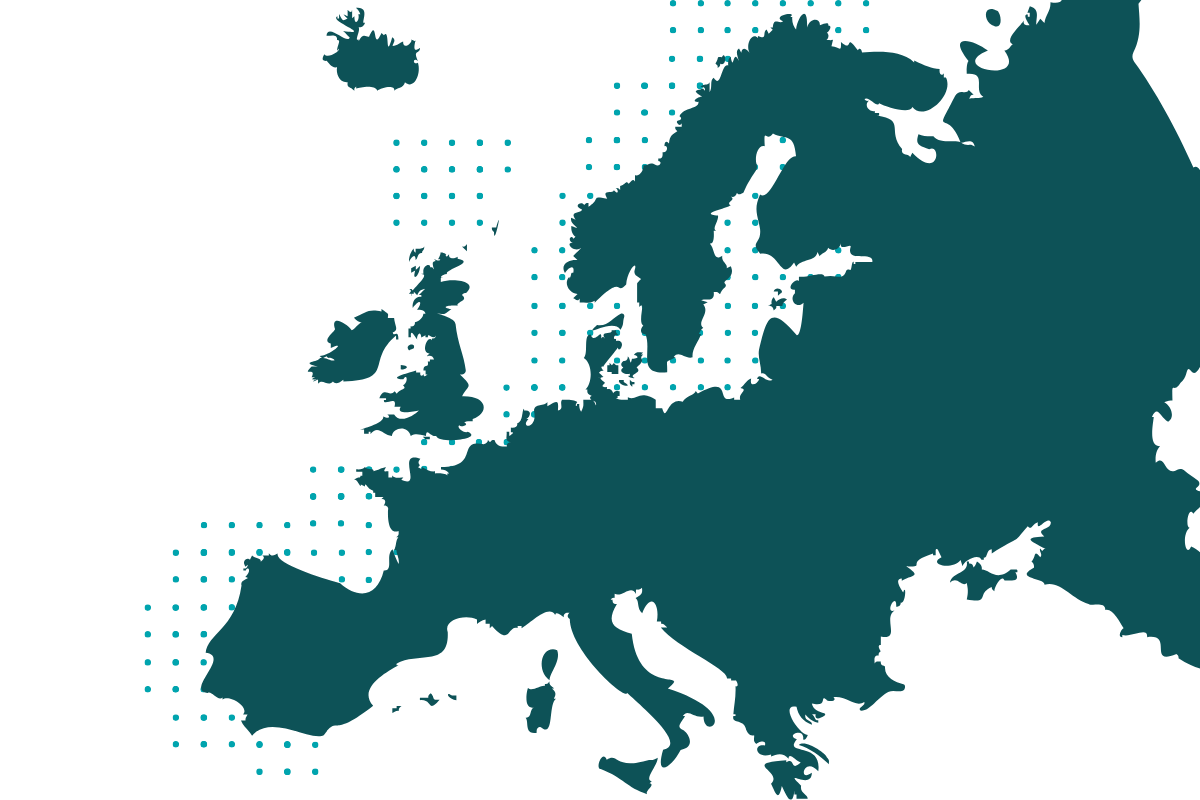
Europe Windstorm Model
-
![Access specialist risk intelligence for offshore wind farms located around earthquake-prone Japan.]()
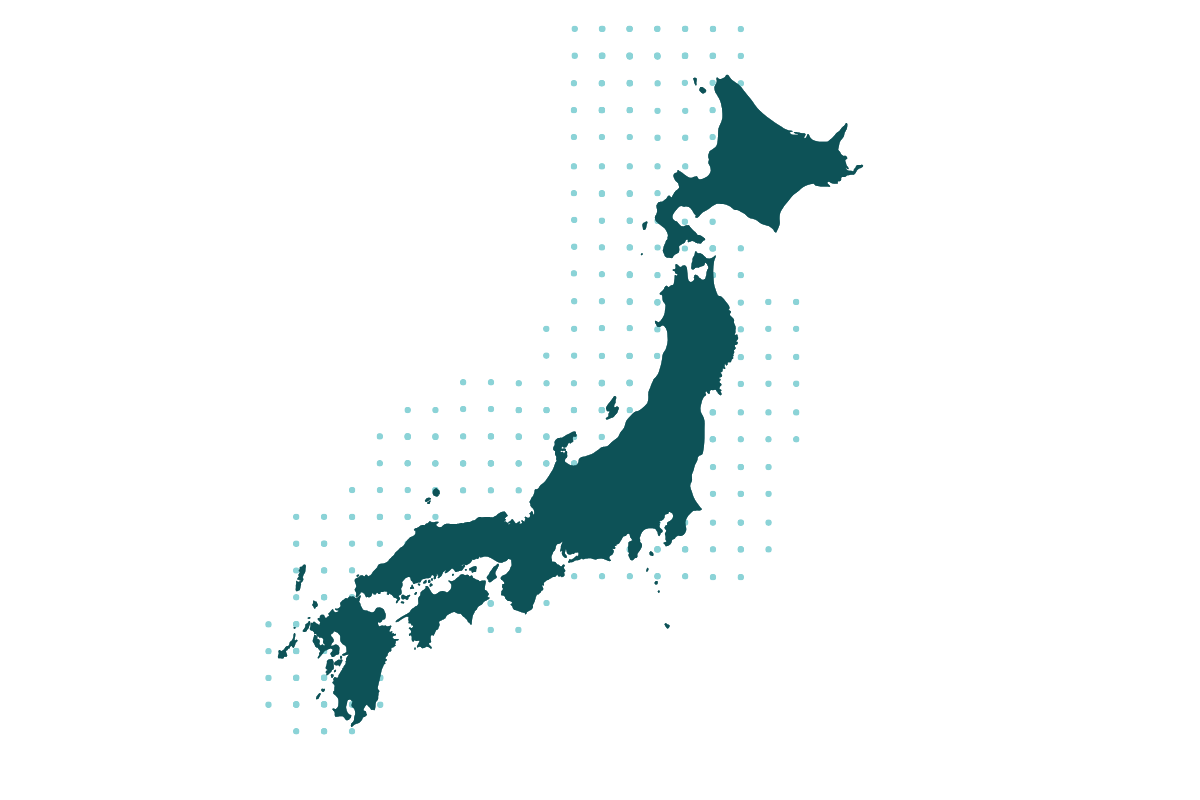
Japan Earthquake Model
-
![Japan Typhoon Model]()
Japan Typhoon Model
-
![Taiwan Earthquake Model]()
Taiwan Earthquake Model
-
![Taiwan Typhoon Model]()
Taiwan Typhoon Model
-
![US Hurricane Model]()
US Hurricane Model
About Renew Risk
Renew Risk provides risk analytics for energy transition assets. As those assets become larger, more valuable and more complex, (re)insurers, energy developers and financial services professionals need a clearer understanding of their risks to deploy capacity with confidence. Renew Risk combines specialist expertise in energy transition technologies with risk intelligence to build asset-first, engineering-based analytics that reflect how assets are designed, operated and exposed to hazards. Its models, data and services support risk selection, pricing, capacity allocation and portfolio management across offshore renewables, onshore renewables and emerging demand assets such as data centres.